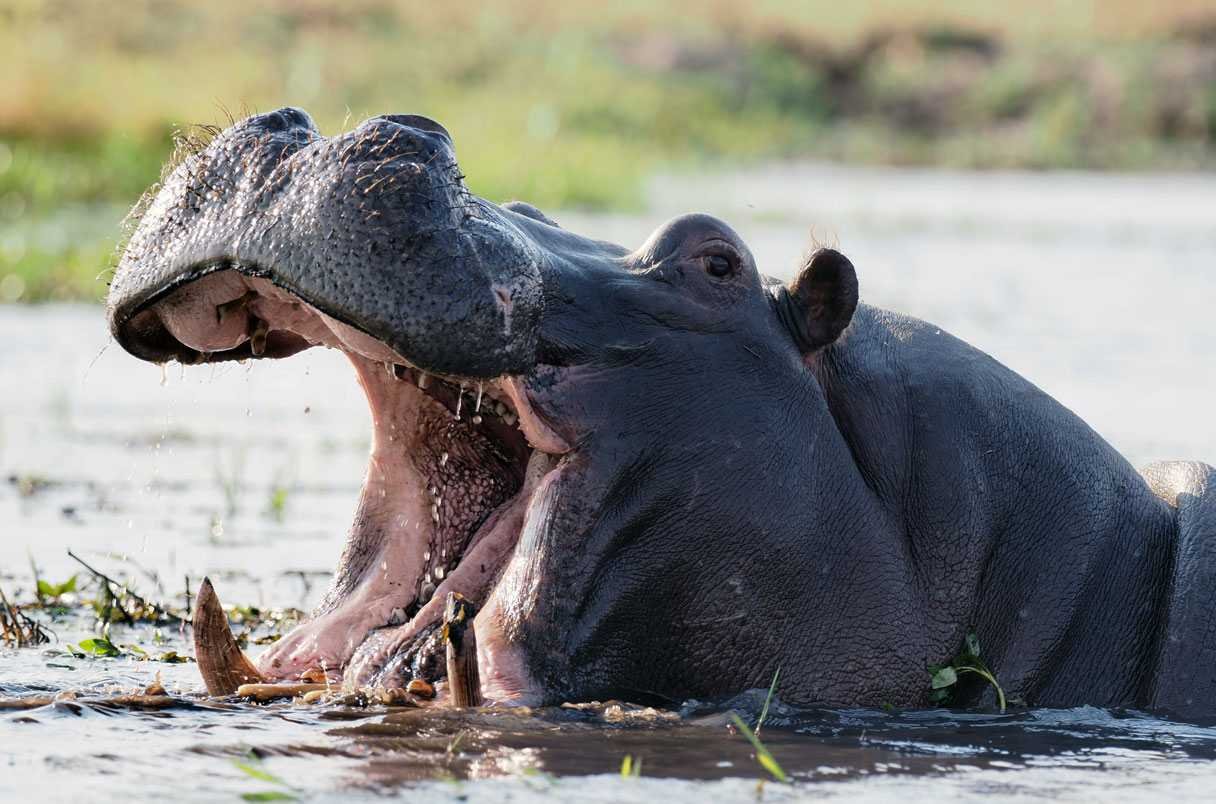
"The challenge of managing invasive megafauna, especially those with such a rapid reproductive rate and public profile, is immense. It often requires difficult decisions that balance ecological necessity with ethical considerations," states a representative institutional perspective on invasive species management.[3]Early efforts focused on sterilization and relocation, but these methods proved too slow and expensive to contain the exponential growth, leading to the current, more drastic measure of culling. The decision to cull up to 80 hippos reverberates across multiple stakeholder groups, each with distinct incentives and potential outcomes. The Colombian Government, primarily the Ministry of Environment and Sustainable Development, stands to benefit from addressing a pressing ecological and public safety crisis. Successfully reducing the hippo population would demonstrate governmental capacity to manage environmental threats, potentially mitigating long-term ecosystem damage and safeguarding local communities. However, this action also carries significant reputational risk, attracting international scrutiny and criticism from animal welfare advocates, demanding careful communication and execution. Local communities inhabiting the Magdalena River basin are among the most directly impacted. They stand to gain from reduced risks of hippo attacks, a tangible threat to their safety and livelihoods, alongside improved water quality and ecosystem health. Conversely, some small-scale tourism operators who capitalized on the hippos' unique appeal (albeit from a safe distance) might see a decline in interest, though the overall economic impact on these communities from the culling itself is likely to be positive in terms of risk mitigation. Conservation and animal welfare organizations represent a complex spectrum of reactions. Many international conservation groups, prioritizing ecosystem health and native biodiversity, often support lethal control as a last resort for invasive species when non-lethal methods have failed. They benefit from a precedent of decisive environmental action. In contrast, numerous animal welfare organizations vehemently oppose culling, advocating for non-lethal alternatives like widespread contraception or sanctuary relocation. Their opposition exerts significant public and political pressure, potentially leading to funding drives for alternatives or legal challenges. The management of invasive species, particularly large or charismatic ones, presents a recurrent global challenge, offering a clear Pattern Recognition framework for Colombia's hippo dilemma. Numerous historical precedents exist where non-native species, introduced intentionally or accidentally, have proliferated and caused severe ecological and economic damage, ultimately necessitating lethal control. Examples range from the eradication campaigns against feral cats and foxes in Australia and New Zealand to protect endangered native birds, to the ongoing battle against invasive Burmese pythons in Florida's Everglades, where hunting and removal programs are critical for ecosystem stability. These situations consistently highlight the difficult trade-offs governments face when balancing conservation ethics with ecological imperatives. What makes the Colombian hippo situation distinctly different, or perhaps more challenging, is the unique confluence of factors surrounding their origin and biology. While invasive species management often deals with animals introduced by human activity, the "Pablo Escobar" narrative adds an unparalleled layer of cultural and historical complexity, drawing intense international media attention and emotional responses. Furthermore, the sheer size, rapid reproductive rate, and semi-aquatic nature of hippos present unique logistical and safety challenges for control efforts that differ significantly from managing terrestrial mammals or smaller aquatic species. (How do you effectively dart or capture an animal submerged for most of its life, weighing thousands of pounds?) This combination of high public profile, challenging biology, and political legacy creates a management scenario that is both familiar in its ecological principles and singular in its practical execution.
Mainstream Consensus vs Reality
| What The Market Assumes | What The Underlying Data Suggests |
|---|---|
| Hippos are a harmless, exotic tourist attraction. | Their ecological impact and danger to humans significantly outweigh perceived tourism benefits. |
| Non-lethal methods like sterilization are always viable for population control. | Sterilization and relocation are costly, slow, and insufficient for rapid, widespread hippo population growth. |
| Culling is primarily an ethical or animal welfare issue. | It's a complex ecological and public safety imperative, balancing species ethics with ecosystem integrity. |
| The hippo problem is geographically contained near Escobar's former estate. | Hippos are actively expanding their range along Colombia's vast Magdalena River system. |
Base Case — 60% Probability
Key Assumption: Limited culling proceeds, supplemented by ongoing sterilization and relocation efforts, facing moderate public and international resistance.
12-Month Indicator: Government reports show a stabilization or slight reduction in hippo population growth rate within targeted areas.
Structural Implication: The hippo population remains a long-term management challenge, requiring sustained resource allocation and adaptive strategies.
Accelerated Case — 25% Probability
Key Assumption: Aggressive, widespread culling combined with enhanced sterilization efforts gains strong local support and sufficient funding, overcoming international pressure.
12-Month Indicator: A measurable, significant reduction in the overall hippo population count and a decrease in human-hippo conflict incidents are reported.
Structural Implication: Ecological recovery begins in affected riverine areas, and Colombia establishes a precedent for decisive invasive megafauna control.
Contraction Case — 15% Probability
Key Assumption: Culling efforts are halted or severely curtailed due to intense public pressure, legal challenges, or logistical failures, without viable non-lethal alternatives scaled effectively.
12-Month Indicator: Hippo population estimates continue their exponential growth trend, with increased reports of range expansion and ecological degradation.
Structural Implication: Irreversible ecological damage to the Magdalena River basin accelerates, leading to escalated human-wildlife conflict and potential biodiversity collapse in localized areas.
- Government Transparency Reports: Track the Colombian Ministry of Environment's official updates on culling progress and population metrics — a consistent reduction in numbers indicates effective implementation.
- International NGO Statements: Monitor press releases and advocacy campaigns from major animal welfare and conservation groups — increased pressure could signal shifts in policy or funding for alternatives.
- Local Media Coverage: Observe reports from regional Colombian news outlets on human-hippo interactions and community sentiment — a decrease in conflict incidents would confirm improved public safety.
- Ecological Health Indicators: Review scientific studies or government assessments on Magdalena River water quality and native biodiversity — positive trends suggest early signs of ecosystem recovery.
- Tourism Sector Adjustments: Look for any shifts in local tourism offerings or visitor numbers in areas previously known for hippo sightings — this could reflect economic adaptation to the changing hippo presence.
- Colombian Ministry of Environment and Sustainable Development — Invasive Species Management Reports — Provides official population estimates and ecological impact assessments.
- Academic Ecological Journals — Studies on Invasive Hippopotamus Populations — Offers scientific projections on population growth rates and environmental consequences.
- International Union for Conservation of Nature (IUCN) — Invasive Species Specialist Group Guidelines — General institutional perspective on the challenges and strategies for managing invasive species.
- United Nations Environment Programme (UNEP) — Biodiversity & Ecosystem Services Publications — Broad context on the global impact of invasive species and management approaches.