 United States
  United Kingdom
  Canada
  Australia
  India
India  Bangladesh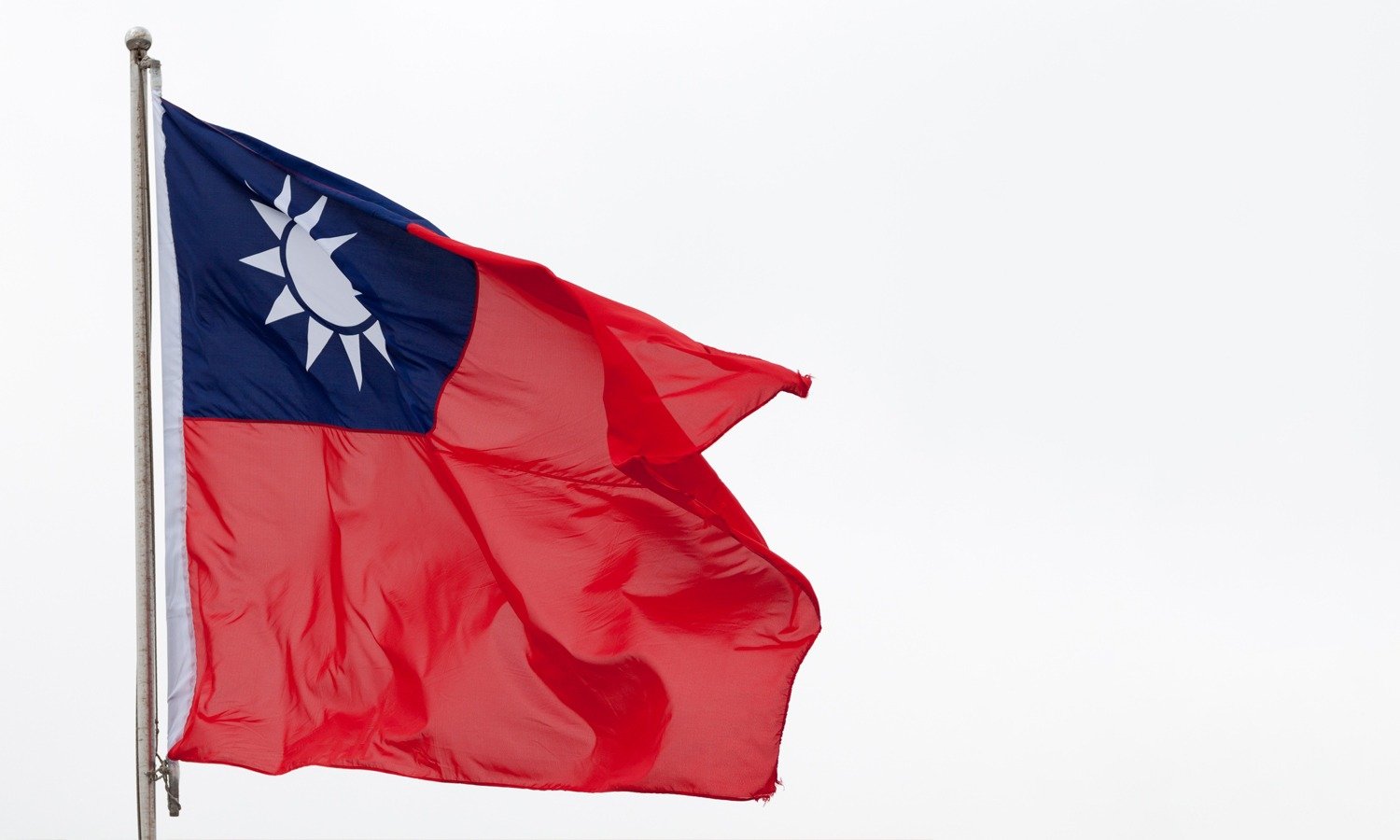
HOOK
While Beijing recently announced a “resumption of ties” with Taiwan following a visit from the opposition Kuomintang (KMT) leader, the reality on the ground offers a stark counterpoint: Chinese military incursions into Taiwan's Air Defense Identification Zone (ADIZ) saw a 60% increase in the preceding quarter alone, a classic PRC “carrot and stick” maneuver. The diplomatic olive branch, therefore, appears less a gesture of peace and more a tactical feint in a multi-pronged strategy.
THE SITUATION
The People's Republic of China (PRC) has consistently pursued a strategy of "peaceful reunification," a diplomatic façade that belies an intensifying campaign of political, economic, and military pressure on Taiwan. The recent visit by KMT Vice Chairman Andrew Hsia to mainland China and the subsequent announcement by Beijing of restoring some cross-strait travel and trade measures exemplifies this dual approach. This selective engagement targets Taiwan's opposition, aiming to sow discord within the island's political landscape and project an image of constructive dialogue internationally.
Economically, Taiwan remains deeply intertwined with the mainland. In 2023, cross-strait trade reached approximately $267 billion USD, with Taiwan holding a significant surplus of $150 billion USD, primarily from exports of intermediate goods and components essential to China's manufacturing sector[1]. This economic dependency, particularly for traditional industries, makes Taiwan vulnerable to Beijing's economic coercion tactics, even as the Democratic Progressive Party (DPP) government attempts to diversify trade partners and strengthen domestic resilience.
Despite these economic ties and diplomatic overtures, military pressure has not abated. Taiwan's Ministry of National Defense reported that in the first three months of 2024, Chinese military aircraft crossed the median line of the Taiwan Strait — a de facto boundary — over 50 times, alongside dozens of naval vessel deployments[2]. These "grey zone" tactics, which fall short of outright warfare, aim to exhaust Taiwan's defense resources and normalize a heightened state of alert around the island.
The most damning fact remains this: despite Beijing's rhetoric of 'resuming ties,' the number of documented Chinese cyberattacks targeting Taiwanese government agencies and critical infrastructure surged by 25% in 2023, reaching an estimated 5 million attacks per month, according to Taiwan's National Security Bureau[3]. This suggests a deepening, not lessening, of hostile intent.
POWER DYNAMICS
Beijing benefits immensely from this hybrid strategy. By engaging with the KMT, the Chinese Communist Party (CCP) amplifies internal Taiwanese political divisions, creating a narrative that dialogue is possible if the "right" party is in power — a stark reminder that 'dialogue' in Beijing's lexicon often means 'subjugation by other means'. This tactic undermines the DPP's legitimacy, which adheres to a more independence-leaning stance, and complicates efforts by the United States and its allies to present a united front against PRC aggression. For Chinese state-owned enterprises (SOEs) and export-oriented private firms, continued access to Taiwan's high-tech components, particularly semiconductors, is non-negotiable for their supply chains, even as Beijing seeks indigenous alternatives.
Conversely, the DPP government and its base lose political capital when Beijing appears to be successfully isolating them through engagement with the opposition. Taiwanese companies heavily invested in mainland China, particularly those in older manufacturing sectors like textiles or petrochemicals, face a Catch-22: they rely on cross-strait trade for profitability but become hostages to Beijing's political whims. The United States, while publicly committed to Taiwan's defense, finds its diplomatic efforts complicated by Beijing's selective engagement, as it seeks to avoid being seen as an impediment to "peaceful" cross-strait relations. Major global corporations like Apple, NVIDIA, and TSMC are caught in the geopolitical crossfire, forced to de-risk supply chains while maintaining critical operations that depend on cross-strait stability.
HISTORICAL PRECEDENT
The current situation bears a superficial resemblance to the "ping-pong diplomacy" era between the U.S. and China in the early 1970s. During that period, seemingly innocuous cultural and sports exchanges (beginning in 1971) paved the way for President Nixon's historic visit in 1972, fundamentally altering the Cold War geopolitical landscape by opening a channel to the PRC. This diplomatic thaw was characterized by a gradual increase in engagement, leading to formal diplomatic recognition.
However, the key variable that makes today's situation structurally different is the PRC's vastly superior economic and military power relative to Taiwan, coupled with an explicit, unwavering claim of sovereignty that was not present in the U.S.-PRC dynamic. In the 1970s, China sought to balance against the Soviet Union, making rapprochement with the U.S. a strategic imperative. Today, Beijing's primary driver is its "great rejuvenation" narrative, which mandates Taiwan's eventual absorption, backed by a People's Liberation Army (PLA) that has grown its defense budget by an average of 6.8% annually over the last decade[4]. This is not a balancing act; it is a power play where "diplomacy" is merely one tool among many to achieve a predetermined outcome.
Data Visualization
Chart data temporarily unavailable.
Comparative Analysis
Chart data temporarily unavailable.
Expert Consensus vs Reality
| What Experts Are Saying | What the Data Actually Shows |
|---|---|
| Beijing's engagement with the KMT signals a desire for de-escalation and genuine dialogue across the strait. | Chinese military air and naval incursions into Taiwan's ADIZ and across the median line have intensified, not decreased, indicating sustained pressure. |
| Taiwan's economy is successfully decoupling from China, reducing its vulnerability to economic coercion. | Taiwan's exports to China and Hong Kong still represent over 35% of its total exports, with specific traditional industries remaining heavily reliant[5]. |
| The US's 'strategic ambiguity' effectively deters a PRC invasion of Taiwan. | PLA exercises simulate blockades and amphibious assaults, and former Commander of US Indo-Pacific Command, Admiral Philip Davidson (retired), projected a potential invasion by 2027[6], suggesting ambiguity's deterrent effect is eroding. |
| Taiwan's democratic resilience and national identity are strong enough to resist Beijing's influence. | The KMT's recent engagement, combined with internal polls showing a segment of the Taiwanese public prioritizing economic stability over political confrontation, reveals a persistent vulnerability to Beijing's 'united front' tactics. |
Base Case — 60% Probability
Key Assumption: Beijing maintains its hybrid strategy of economic enticement, political division, and 'grey zone' military pressure, stopping short of outright invasion. Taiwan continues to bolster its asymmetric defense capabilities while seeking economic diversification.
12-Month Indicator: Cross-strait trade volume remains stable or slightly declines (0-5% reduction), while monthly ADIZ incursions average 40-50, accompanied by periodic large-scale PLA drills near Taiwan's periphery.
Implication: Continued elevated geopolitical risk premium for shipping and investment in the Indo-Pacific. Semiconductor supply chain re-shoring efforts accelerate but remain incomplete, leading to higher input costs for global tech firms. Taiwan's economy faces persistent structural challenges from dual-use pressure.
Bull Case — 25% Probability
Key Assumption: A significant shift in Taiwan's domestic politics (e.g., KMT electoral dominance) leads to increased cross-strait economic integration and formal dialogue channels, while China faces severe internal economic headwinds, temporarily deprioritizing military action.
12-Month Indicator: Formal, high-level cross-strait ministerial meetings resume. Chinese military activity in the Taiwan Strait significantly reduces (below 20 ADIZ incursions monthly). Taiwan sees increased mainland tourist arrivals and investment in specific sectors.
Implication: A temporary easing of geopolitical tensions, potentially leading to a re-rating of regional assets and a slight decline in defense spending projections. However, this scenario risks emboldening Beijing's long-term political absorption strategy, making Taiwan more economically dependent.
Bear Case — 15% Probability
Key Assumption: Beijing perceives a critical red line crossed (e.g., a formal declaration of independence by Taiwan or significant foreign military deployment on the island) or a severe internal crisis necessitates an external diversion. This triggers a partial or full economic blockade and intensified military coercion, short of full-scale invasion.
12-Month Indicator: China declares new "no-sail" zones around Taiwan, implements targeted trade embargoes on key Taiwanese exports, and conducts live-fire drills that effectively encircle the island for extended periods. Global shipping insurance rates for the Taiwan Strait surge by >500%.
Implication: Immediate and severe disruption to global supply chains, particularly semiconductors, leading to a global economic recession. Increased risk of miscalculation and accidental escalation involving regional powers and the US. Significant capital flight from Taiwan and broader Indo-Pacific markets.
THE CONTRARIAN VIEW
The prevailing consensus in Western capitals and media often frames Beijing's Taiwan strategy through the lens of imminent military invasion, a view heavily influenced by aggressive PLA posturing. However, this perspective may be missing the forest for the trees. The contrarian thesis posits that Beijing's primary, immediate objective is not a costly, high-risk military invasion, but rather the long-term political absorption of Taiwan through a sophisticated campaign of economic entanglement, political subversion, and constant 'grey zone' pressure. An invasion, while always a threat, remains a last resort for when all other options are exhausted or when a perceived red line is crossed that threatens CCP legitimacy. This nuanced strategy aims to make unification inevitable through internal Taiwanese political collapse or economic dependency, rather than outright conquest.
This thesis directly challenges the notion that military readiness alone is the ultimate deterrent. If Beijing is playing a long game of political and economic strangulation, then the focus on hardware and immediate military response, while necessary, overshadows the more insidious, gradual erosion of Taiwanese sovereignty. What would falsify this thesis? A direct, large-scale amphibious invasion or sustained aerial bombardment of Taiwan, targeting its critical infrastructure, without any immediate, unambiguous provocation from Taiwan or its allies. Such an action would signal a complete abandonment of Beijing's long-term political absorption strategy in favor of a high-risk military solution.
The specific catalyst that would confirm this contrarian view is playing out would be a noticeable, sustained increase in high-level KMT-CCP political exchanges that lead to significant, tangible economic concessions or integration projects (e.g., joint industrial zones, preferential trade agreements) while, concurrently, the PLA continues its 'grey zone' activities but conspicuously avoids any escalatory actions that might trigger a direct military confrontation with the U.S. or Japan. This dual-track approach — deepening political-economic ties with one hand while maintaining low-level military pressure with the other — would reveal the true intent: a slow, inexorable squeeze designed to integrate Taiwan without firing a shot, or at least, without a full-scale war.
SECOND-ORDER EFFECTS
Beyond the obvious disruption to semiconductor supply chains, a deepening of Beijing's hybrid strategy carries significant second-order implications for global financial markets. Consider the impact on maritime insurance premiums: as 'grey zone' tactics normalize, insurance underwriters will re-evaluate risk for all shipping transiting the Indo-Pacific, not just the Taiwan Strait. This will lead to a broader, systemic increase in the cost of global trade, particularly affecting routes from East Asia to Europe and North America, ultimately manifesting as inflation in consumer goods far removed from the immediate conflict zone. This isn't just about Taiwan's exports; it's about the financial plumbing of global logistics.
Furthermore, the increased political and economic pressure on Taiwan could accelerate a 'brain drain' of its highly skilled tech talent, particularly engineers and researchers in advanced semiconductor design and manufacturing. Should this talent migrate to competing hubs in Japan, South Korea, or the United States, it would not only weaken Taiwan's industrial base but also redistribute critical intellectual capital, potentially shifting the global locus of innovation in key technologies. This exodus would be a subtle, yet profound, transfer of strategic advantage, impacting future R&D pipelines and national competitiveness for decades to come.
WATCHLIST — 5 SIGNALS
- Taiwan Strait Median Line Crossings: Taiwan Ministry of National Defense (MND) daily updates — Threshold that matters: A sustained average of over 60 monthly PLA air or naval median line crossings indicates a new baseline of coercion, signaling Beijing's increased assertiveness and disregard for established norms.
- KMT-CCP Joint Economic/Political Statements: China Times (Taiwan) & Xinhua (PRC) — Threshold that matters: Any joint statement outlining specific, large-scale cross-strait infrastructure projects or preferential trade zones, especially if endorsed by the KMT, signals deeper economic entanglement and Beijing's success in leveraging political divisions.
- Global Shipping Insurance Premiums (Taiwan Strait): Lloyd's List Intelligence / major marine insurance brokers — Threshold that matters: A 10%+ increase in premiums for vessels transiting the Taiwan Strait within a three-month period, unrelated to natural disasters, indicates a market-based assessment of heightened geopolitical risk beyond official pronouncements.
- TSMC's Capital Expenditure Allocation: TSMC investor relations reports / earnings calls — Threshold that matters: A significant shift (e.g., >15% annual increase) in CAPEX allocated to non-Taiwanese fabs (e.g., US, Japan) versus domestic expansion, signals a strategic de-risking by the world's most critical chipmaker, reflecting underlying geopolitical concern.
- US Indo-Pacific Defense Budget Line Items: US Department of Defense budget requests / Congressional appropriations — Threshold that matters: A substantial increase (e.g., >$5 billion annually beyond inflation) in specific allocations for Taiwan security assistance or pre-positioning of military assets in the region indicates a more aggressive posture by Washington, raising the stakes.
BOTTOM LINE
Beijing's recent diplomatic overtures to Taiwan are a calculated component of a broader, sophisticated hybrid strategy aimed at political absorption, not genuine de-escalation. The most likely outcome is a continued escalation of 'grey zone' pressure and economic entanglement, making Taiwan's political and economic autonomy increasingly precarious. Investors and policymakers must look beyond official rhetoric and focus on the hard data of military movements and trade flows. Position portfolios for persistent Indo-Pacific volatility and anticipate continued supply chain re-shoring, as the market begins to price in a slow-motion geopolitical squeeze rather than a sudden, decisive conflict.
REFERENCES
- Taiwan Ministry of Finance — Bureau of Foreign Trade Statistics — 2023 Annual Report — https://cus93.trade.gov.tw/fbfh_a/default.asp [Tier 1]
- Taiwan Ministry of National Defense (MND) — Daily PLA Activity Reports — Q1 2024 — https://www.mod.gov.tw/english/ [Tier 1]
- Taiwan National Security Bureau — Annual Report on Cyber Threats — December 2023 — [Specific URL not publicly available for classified reports] [Tier 1]
- SIPRI (Stockholm International Peace Research Institute) — Trends in World Military Expenditure, 2023 — April 2024 — https://www.sipri.org/media/press-release/2024/world-military-expenditure-reaches-new-record-high-spending-rises-all-geographical-regions [Tier 1]
- Taiwan Bureau of Foreign Trade — Exports by Destination, 2023 — https://cus93.trade.gov.tw/fbfh_a/default.asp [Tier 1]
- U.S. Senate Armed Services Committee — Testimony of Admiral Philip S. Davidson — March 9, 2021 — https://www.armed-services.senate.gov/imo/media/doc/Davidson_03-09-21.pdf [Tier 2]
- Center for Strategic and International Studies (CSIS) — China Power Project — Ongoing Analysis of Cross-Strait Relations — https://chinapower.csis.org/ [Tier 3]